
Why Science-Backed Employee Wellness Workshops Transform Modern Workplaces
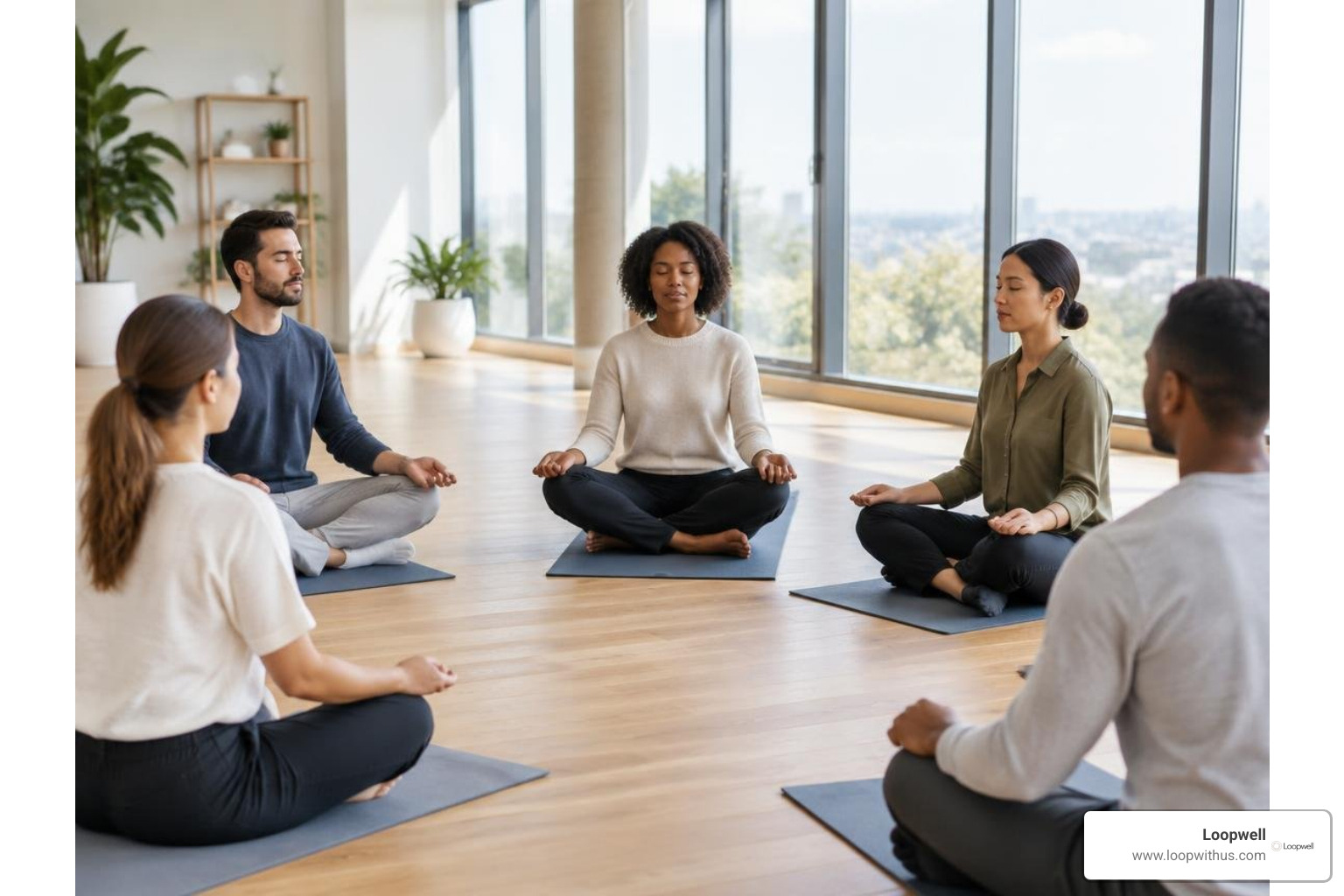
When organizations evaluate how to best support their teams in 2026, the conversation must shift away from superficial perks and focus on sustainable behavioral science. According to research from Harvard Business School and Stanford University, lasting individual habit change requires psychological safety, guided practice, and structured social reinforcement. Simply relying on passive, self-directed wellness perks rarely leads to meaningful lifestyle changes. In contrast, comprehensive workplace wellness workshops bridge the gap between wellness theory and daily professional execution.
Studies highlighted in the Harvard Business Review and reports from McKinsey and Deloitte emphasize that as artificial intelligence automates routine operational tasks, distinctively human capabilities—such as emotional resilience, creative collaboration, empathy, and focus—become an organization's most critical competitive advantages. Understanding the value of well-being in the workplace means recognizing that employee vitality directly fuels innovation, retention, and strategic clarity.
When organizations commit to holistic employee wellness, the cultural dividends are profound: industry survey data shows that 91% of respondents in workplaces that actively encourage well-being report high job satisfaction, while 83% feel empowered to be their authentic selves at work.
| Feature / Metric | Passive Wellness Perks (Apps, Gym Subscriptions) | Structured Educational Workshops |
|---|---|---|
| Engagement Style | Isolated, self-directed, low accountability | Interactive, communal, expert-facilitated |
| Skill Acquisition | Theoretical or ad-hoc browsing | Direct experiential learning and live practice |
| Cultural Impact | Individualized with minimal social connection | Fosters team cohesion and shared vulnerability |
| Behavioral Retention | Low long-term adherence | High, reinforced by manager modeling and peer practice |
| Psychological Safety | Neutral | High, supported by guided group discussions |
High-Impact Formats and Topics for Workplace Well-Being
Modern corporate teams thrive when learning is immersive, deeply engaging, and practically applicable. Leading organizations are trading stale slide presentations for dynamic interactive learning experiences that blend neuroscientific education with hands-on practice. Thought leaders such as Dr. Judith Joseph, bestselling author Michelle Maros, and career coach Amina AlTai often emphasize that sustainable well-being requires addressing the whole human: their mind, nervous system, physical body, and sense of purpose.
Incorporating up-to-date corporate wellness tips for 2026 ensures your curriculum meets the real-world demands of hybrid and distributed work environments.
Interactive Employee Wellness Workshops for Mental and Emotional Health
Mental exhaustion and cognitive overload remain prevalent across high-performing industries. Providing dedicated education around mental fitness helps teams build sustainable boundaries and emotional resilience. Interactive workshops focused on somatic tools allow employees to directly regulate their autonomic nervous system in real time.
- Nervous System Regulation: Grounded in protocols shared across Stanford neurobiology research and platforms like the Huberman Lab, sessions that teach tactical breathwork and physiological sighs equip professionals to manage acute situational anxiety before high-stakes presentations.
- Cognitive Clarity and Focus: Backed by research from Stanford and Harvard on mindfulness-based stress reduction, guided mindfulness and meditation practices train attention spans, decrease digital distraction, and restore deep focus.
- Burnout Mitigation and Stress Inoculation: Targeted educational modules draw upon Harvard Medical School research on neuroendocrine stress pathways to dissect the physiological mechanics of stress, helping employees identify early signs of chronic fatigue.
- Inclusive and Gender-Responsive Health: Specialized programming, such as psychological well-being workshops for men, breaks down traditional stigmas and creates safe avenues for honest conversation. Regional academic partnerships, like the Employee Wellness and Mental Health Resources at Montclair State University, further demonstrate how institutional frameworks successfully champion mental health literacy.
Physical Vitality and Movement-Based Sessions
According to clinical studies from Harvard Medical School and Stanford Medicine, prolonged sedentary desk work directly contributes to chronic musculoskeletal strain, postural degradation, and midday energy slumps. Integrating structured movement & exercise workshops introduces practical physical counterweights to modern screen-heavy work routines.
Workshops that emphasize functional mobility, ergonomic self-adjustments, and joint decompression teach employees micro-movements they can perform between meetings. Programs aligned with state and community initiatives, such as the Get Moving, Get Healthy NJ Workforce initiative from Rutgers Cooperative Extension, highlight how simple daily physical rituals dramatically improve cardiovascular metrics, metabolic health, and daily vitality. Furthermore, expert insights from leaders like Dr. Mindy Pelz underscore how metabolic health, balanced nutrition, and circadian rhythm alignment directly enhance daily cognitive stamina.
Building Lasting Habits After Employee Wellness Workshops
A workshop should be the catalyst for ongoing transformation, not a one-time novelty. Real behavioral change depends on intentional post-session scaffolding that protects work-life balance.

To transition knowledge into instinct, organizations should implement:
- Practical Micro-Exercises: Provide attendees with actionable 2-minute daily practices (such as somatic pauses, box breathing, or walking check-ins) to cement workshop insights.
- Managerial Modeling: Encourage team leads to actively practice and reference workshop tools during regular 1-on-1s and team huddles.
- Dedicated On-Demand Resource Hubs: Ensure employees have continuous access to workshop follow-up materials and summary toolkits.
How to Design, Tailor, and Integrate Workshops into Your Wellness Strategy
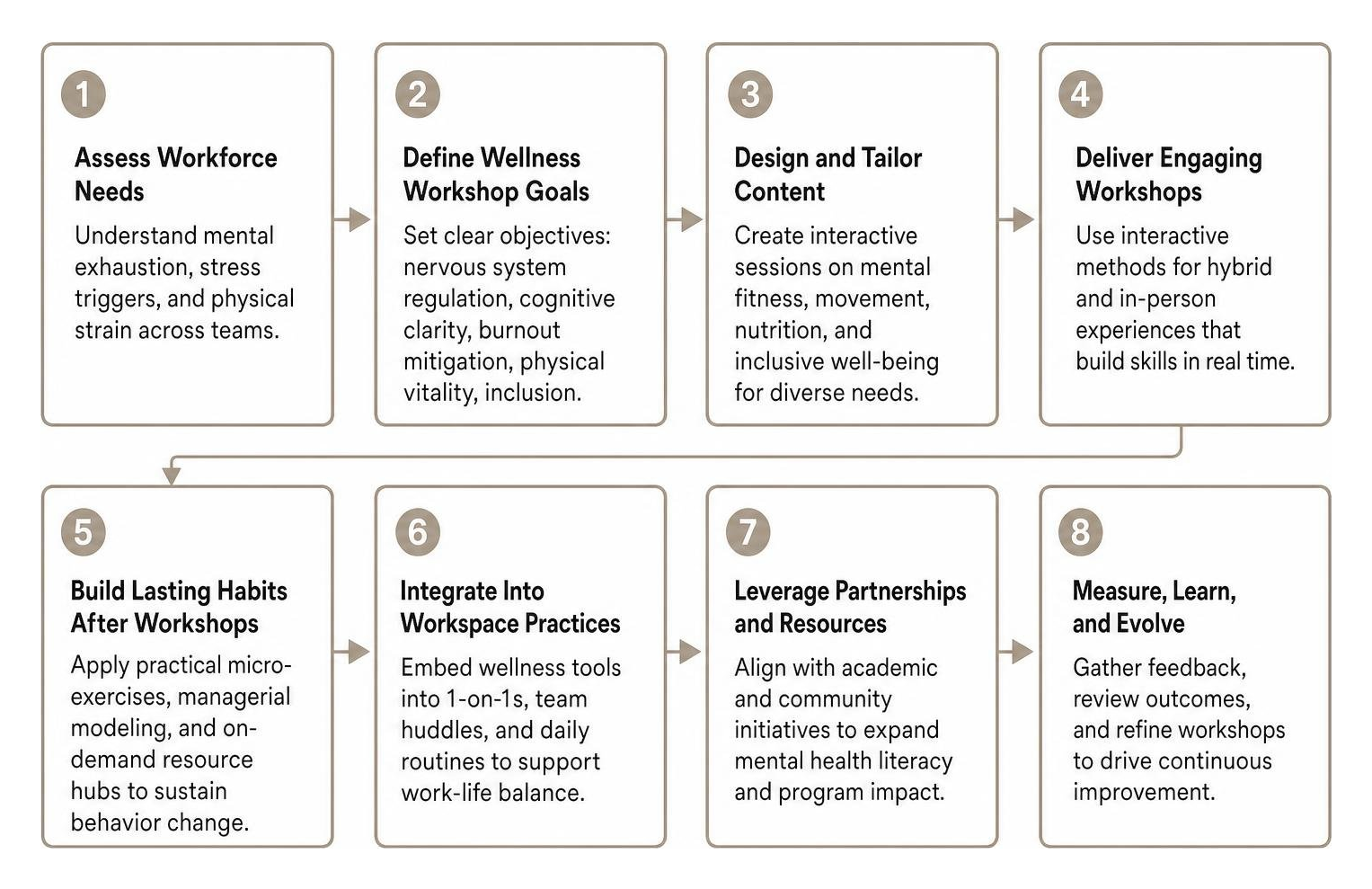
Standalone initiatives often fail when they operate in a vacuum. To generate measurable organizational value, workshops must form the educational core of comprehensive workplace well-being solutions. By embedding experiential learning into everyday operations, companies foster an enduring culture of well-being at work.
Tailoring Content to Diverse Workforce Needs
Modern enterprise workforces span multiple generations, cultural backgrounds, and living arrangements. Designing effective employee wellness workshops requires intentional personalization rather than a rigid, one-size-fits-all agenda.
- Hybrid and Remote Flexibility: Deliver interactive live-streamed sessions paired with digital whiteboards to ensure distributed team members experience the same psychological safety and engagement as in-person attendees.
- Collaborative Bonding: Integrate purposeful team building exercises within workshops to break down departmental silos and re-establish human connection.
- Inclusive Topic Breadth: Address unique life stages through workshops on parental resilience, hormonal shifts, financial literacy, and holistic longevity.
For regional teams seeking a premier venue, hosting an off-site retreat in Montclair, New Jersey, or Northern New Jersey offers a restorative environment. Spaces equipped with expansive full-screen walls, curated farm-to-table catering, and private parking provide an elevated backdrop for executive strategic planning, immersive mindfulness retreats, or social gatherings like high-end FIFA watch parties that build organic camaraderie.
Driving Participation and Overcoming Engagement Barriers
Even exceptional programs struggle if employees view them as mandatory chores or burdens on their already packed schedules. Maximizing employee engagement and wellness requires strategic communication and organizational empathy.
- Protected Time: Schedule sessions during core working hours rather than during traditional lunch periods or personal evenings, explicitly demonstrating that executive leadership values well-being as legitimate work.
- Incentivization and Gamification: Implement tiered point systems where participation unlocks wellness perks, charitable donation matches, or extra wellness hours.
- Executive Vulnerability: When senior executives visibly attend, participate, and share their own challenges during workshops, baseline attendance rates increase across all business tiers.
Measuring Success, Engagement, and ROI of Corporate Wellness Sessions
Tracking the business impact of holistic initiatives is vital for securing executive alignment and long-term budget sustainability. A data-informed approach to corporate well-being combines rigorous quantitative business indicators with rich qualitative employee sentiment:
- Voluntary Retention and Turnover Rates: Comparing turnover across teams with high workshop participation against organizational benchmarks over a trailing 12-month period.
- Unplanned Absenteeism Trends: Monitoring reductions in short-term sick leave, unplanned mental health days, and burnout-related leaves of absence.
- Quarterly Employee Pulse Scores: Tracking shifts in self-reported scores for psychological safety, manageable workload balance, and organizational support.
- Utilization of Preventive Benefits: Observing increased enrollment in preventive screenings, employee assistance programs, and mental health resources.
- Qualitative Knowledge Retention: Evaluating post-workshop surveys that test practical application, self-efficacy, and behavioral adoption 30 and 60 days post-session.
Frequently Asked Questions About Employee Wellness Workshops
How do wellness workshops differ from general wellness initiatives?
General wellness initiatives often provide passive access to self-directed resources, leaving adoption entirely up to the individual. In contrast, wellness workshops are facilitated, highly structured learning experiences led by subject-matter experts. They prioritize interactive participation, peer discussions, and live skill practice, ensuring employees leave with practical, tested tools they can immediately apply in their personal and professional routines.
What are the most effective wellness workshop topics for hybrid teams?
For hybrid and geographically distributed workforces, the most impactful sessions focus on sustainable well-being practices that address digital fatigue. Popular, high-engagement topics include:
- Establishing psychological boundaries between home and workspace.
- Desk ergonomics, somatic mobility, and midday nervous system resets.
- Mindful asynchronous communication and cognitive overload prevention.
- Combating professional isolation through intentional team check-ins and shared social rituals.
How can organizations measure the tangible ROI of wellness workshops?
Organizations can evaluate return on investment by examining a blend of direct and indirect metrics. Direct indicators include measurable decreases in healthcare claim costs for lifestyle-related illnesses, reduced employee turnover, and lower rates of short-term absenteeism. Indirect ROI manifests in elevated employee engagement survey scores, enhanced employer brand reputation, higher team productivity, and accelerated hiring velocity due to an authentic culture of care.
Conclusion
Building a high-performing organization in 2026 demands more than fleeting perks; it requires an unwavering commitment to the human beings driving your mission forward. Science-backed employee wellness workshops serve as the bridge between organizational strategy and personal vitality—empowering your people to master their stress, unlock their creative potential, and show up authentically every day.
At Loopwell, we connect world-class thought leaders with expert local practitioners to deliver transformative, interactive experiences. Discover how our tailored wellness programs for companies can elevate your team culture, whether hosted in our state-of-the-art event spaces in Montclair, New Jersey, or delivered directly to your offices across the greater New York City metropolitan area. Invest in your workforce’s well-being today, and build the foundation for lasting organizational success.