
A Practical Guide to Finding Supportive Men’s Groups for Well-Being
Understanding the Silent Crisis in Men’s Mental Health
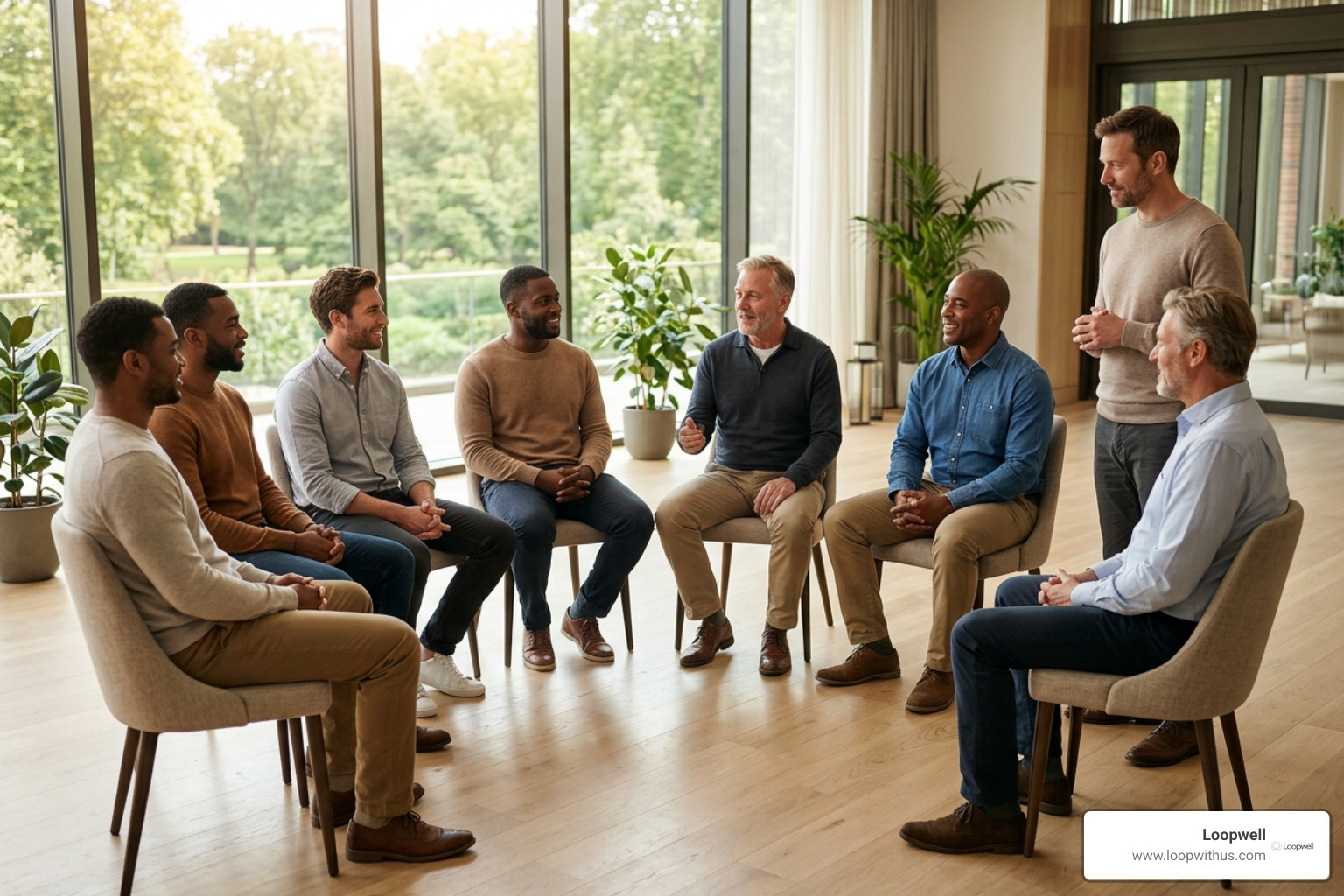
Men face a unique web of societal expectations, traditional gender norms, and workplace pressures that often discourage them from acknowledging emotional distress. From an early age, many men are conditioned to equate vulnerability with weakness, leading to habitual emotional suppression. In the workplace, this silent crisis frequently manifests as burnout, detachment, or sudden drops in performance that managers mislabel as "just stress" or lack of discipline.
When emotional overload is continuously pushed down, it doesn't disappear; it gets masked. Men often display psychological distress through perfectionism, overworking, increased risk-taking, or externalized irritability. Science-backed research from Stanford University highlights how chronic emotional suppression increases sympathetic nervous system activation, raising resting heart rates and stress hormones like cortisol. Over time, this nervous system strain contributes to cardiovascular issues, systemic inflammation, and severe psychological exhaustion.
Harvard Medical School research reinforces that deep social connection is the primary buffer against long-term cognitive and emotional decline. Yet, modern societal structures leave many men isolated, lacking spaces where they can speak candidly without fear of judgment. Psychological well-being workshops for men bridge this gap by replacing isolated endurance with structured peer connection.
How Emotional Suppression and Masculinity Affect Well-Being
Because traditional masculinity heavily stresses self-reliance, men frequently struggle to express primary emotions like fear, grief, or overwhelm. Instead, anger often becomes the only socially permitted emotional outlet. This dynamic leads to friction at home and in the workplace, as frustration masks deep-seated anxieties.
To counteract these habits, effective workshops incorporate cognitive restructuring—a core psychological technique that helps individuals identify irrational thought patterns (such as all-or-nothing thinking or catastrophic framing) and reframe them constructively. By building emotional literacy, men learn to identify subtle warning signs of emotional overload before reaching a boiling point. Exploring Mental Health Insights offers further depth on breaking free from rigid thinking and cultivating sustainable mental wellness.
Why Traditional Therapy Differences Drive Men to Group Workshops
While individual clinical therapy is invaluable for severe mental health conditions, many men hesitate to book a traditional one-on-one session due to lingering stigma or the perception that therapy is overly clinical or passive. Structured group workshops offer a powerful alternative or entry point.
Workshops normalize common struggles through shared lived experiences. When a man hears a peer or professional leader speak openly about career pressure, relationship breakdown, or anxiety, it dismantles the illusion of solitary failure. This creates psychological safety—an environment where participants can listen, absorb actionable strategies, and engage at their own pace without feeling put on the spot.
Key Components of Psychological Well-Being Workshops for Men
An impactful men's mental health program goes beyond passive lectures. It combines evidence-based psychological frameworks with experiential tools that translate directly into daily life.
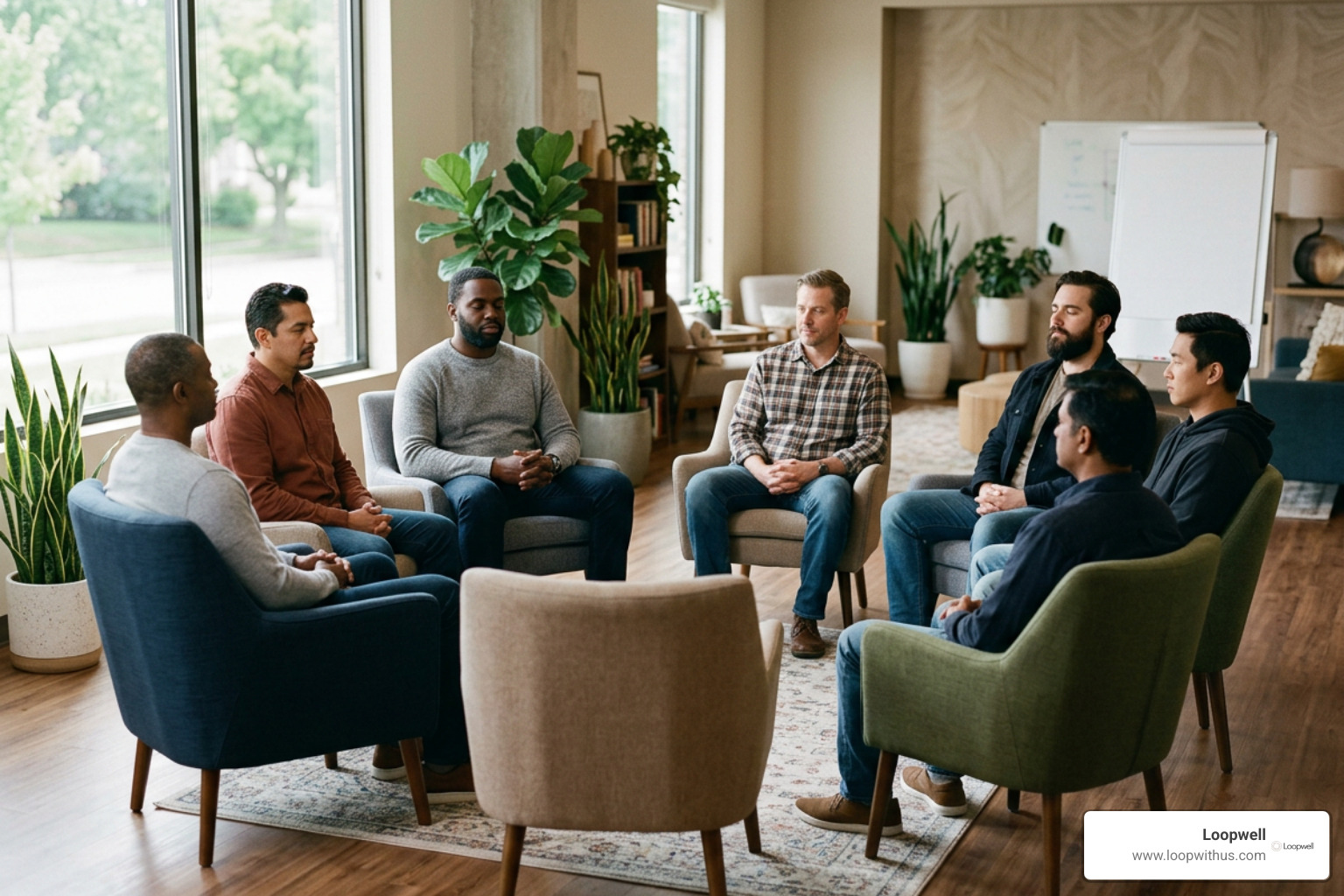
Essential Curriculum in Psychological Well-Being Workshops for Men
A comprehensive workshop curriculum focuses on practical self-regulation, boundary setting, and cognitive clarity. Key pillars typically include:
- Deconstructing Stress & the Masking Response: Identifying how burnout presents as perfectionism, emotional numbness, or hyper-vigilance.
- Mindfulness & Present-Moment Awareness: Research from Harvard Medical School shows that training the brain to observe emotional triggers helps modulate nervous system reactivity.
- Conversational & Peer Tools: Learning how to conduct meaningful micro-check-ins with colleagues and friends.
Programs like the Warrior Mindset Workshop illustrate how actionable mental tools allow individuals to redefine strength, converting internal tension into focused, resilient action.
Practical Self-Care Tools: Anger, Mindfulness, and Resilience
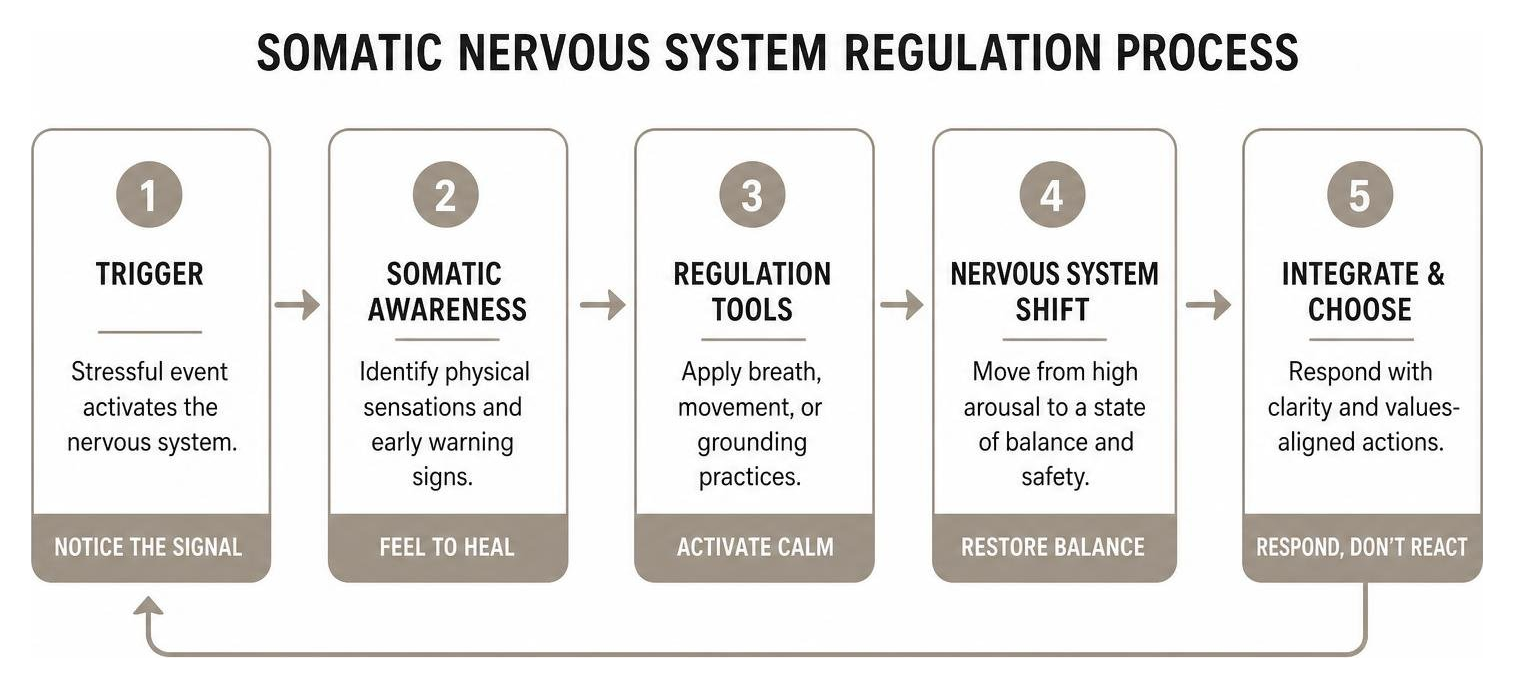
Anger management in men’s workshops centers on somatic awareness—noticing physical warning signs like jaw clenching, tight shoulders, or rapid breathing before an outburst occurs. Research from Stanford University School of Medicine confirms that integrating targeted breathwork and somatic regulation practices, such as the Wim Hof Method at Loopwell, provides immediate physiological feedback, teaching participants how to consciously down-regulate a hyper-active nervous system under stress.
Furthermore, shifting from self-criticism to self-compassion is a vital step in long-term emotional resilience. Participating in dedicated offerings like The Self-Compassion Project Workshop equips men with concrete exercises to replace harsh inner dialogue with constructive self-assessment.
Comparing Workshop Formats: In-Person, Virtual, and Immersive Retreats
Choosing the right format depends on team size, geographical distribution, organizational goals, and the depth of processing desired.
| Feature / Metric | Virtual Workshops | In-Person Workplace Workshops | Multi-Day Immersive Retreats |
|---|---|---|---|
| Capacity | Unlimited / High scalable | Recommended cap: 30 participants | Small cohorts (15–33 participants) |
| Best For | Distributed & global teams | Local teams, building culture | Deep personal transformation & leadership |
| Engagement Level | Moderate (chat, breakout rooms) | High (shared physical presence) | Transformative (somatic & ritual work) |
| Logistical Needs | Video conferencing platform | Dedicated venue with privacy | Sanctuary facility, lodging, catering |
| Primary Focus | Awareness & basic strategy | Teambuilding & psychological safety | Deep reflection, nervous system reset |
Psychological Well-Being Workshops for Men in the Workplace
Workplace workshops tailored for male employees directly support key business outcomes. According to research from McKinsey & Company and Deloitte, workplace wellness initiatives that foster psychological safety significantly improve employee retention and reduce absenteeism.
When embedded into company culture, these sessions destigmatize help-seeking behavior. Male leaders who participate openly signal to junior staff that prioritizing mental health is compatible with executive excellence.
Immersive Multi-Day Retreats vs. Short Training Sessions
While a 60- to 90-minute workplace session provides foundational tools, multi-day retreats offer an uninterrupted container for deeper somatic embodiment and personal development. Away from everyday notifications and demands, men engage in structured reflection, nature exposure, and intentional dialogue—functioning as a modern rite of passage.
Host venues and retreat organizers across New Jersey and New York showcase the growing network of specialized clinical and group support options. On a national level, transformative retreats illustrate how immersive spaces unlock profound self-awareness.
For organizations seeking high-end local options, our premier gathering spaces in Northern New Jersey provide premier event hosting facilities equipped with full wall screens, executive catering, and private parking—ideal for off-sites and watch parties like FIFA events that balance professional host amenities with meaningful human connection.
The Organizational Impact of Investing in Men's Well-Being
Investing in targeted men's mental health programs isn't just an empathetic gesture—it drives measurable business performance.

Building Psychological Safety and Peer Support Networks
Post-workshop outcomes rely heavily on what happens after the facilitator leaves. Organizations must foster environments where micro-check-ins become second nature. Simple frameworks—like starting team meetings with a brief red-yellow-green energy check—allow team members to communicate capacity without long explanations.
Aligning Workshops with DEI and Employee Wellness Programs
Integrating men's mental health into broader Diversity, Equity, and Inclusion (DEI) strategies ensures a holistic approach to organizational well-being. Modern wellbeing frameworks emphasize that mental health cannot be treated in isolation from physical, emotional, and social health.
Events like Mindset Reset: Harnessing the 6 Dimensions of Well-Being help companies align their programs across physical, psychological, and workplace dimensions, building sustainable retention and team cohesion.
To explore how female leaders and diverse perspectives shape modern organizational health, leading corporate voices frequently look to insights from prominent figures like Amina AlTai on entrepreneurial well-being and Michelle Maros on emotional mindfulness. Furthermore, expert insights from leading voices like Dr. Judith Joseph on mental health dynamics, actionable sleep and focus protocols from Stanford Medicine's Huberman Lab, and nutritional regulation insights from Dr. Mindy Pelz regularly inform modern corporate wellness strategies.
Frequently Asked Questions About Men's Well-Being Workshops
How do workshops address anger and emotional suppression in men?
Workshops frame anger as a secondary emotion that often masks underlying stress, exhaustion, or grief. Facilitators use cognitive restructuring and somatic regulation (such as controlled breathwork) to help men identify early physical cues of frustration, pause, and express their underlying needs constructively.
What is the ideal format and group size for interactive workshops?
For interactive in-person workplace sessions, capping attendance at 20 to 30 participants ensures high engagement and psychological safety. Virtual sessions can accommodate larger audiences for general education, while deep experiential retreats are typically limited to 15 to 25 men to maintain an intimate facilitation ratio.
What measurable benefits do companies see from hosting men’s mental health sessions?
According to data from Men Who Talk, 86% of workshop participants report meeting their personal well-being objectives, and 82% demonstrate an improved understanding of male distress indicators. Companies track outcomes through reduced sick days, higher retention rates, elevated engagement scores, and improved post-workshop evaluation metrics.
Sustaining Growth and Finding the Right Workshop
Sustaining emotional well-being is an ongoing practice rather than a single event. A well-designed workshop serves as a catalyst, sparking fresh conversations, establishing vocabulary around mental health, and building lasting peer support networks.
When selecting a workshop for yourself or your organization, prioritize programs led by experienced facilitators who emphasize psychological safety, practical skill-building, and long-term integration. At Loopwell, we connect world-class thought leaders with local teams across Montclair, New York City, and Northern New Jersey to create transformative, premier well-being experiences.
Ready to bring impactful mental health tools to your workplace or community? Explore Corporate Well-Being Workshops to learn how we can design a session tailored to your team's needs.