
How to Compare Event Space Rental Options
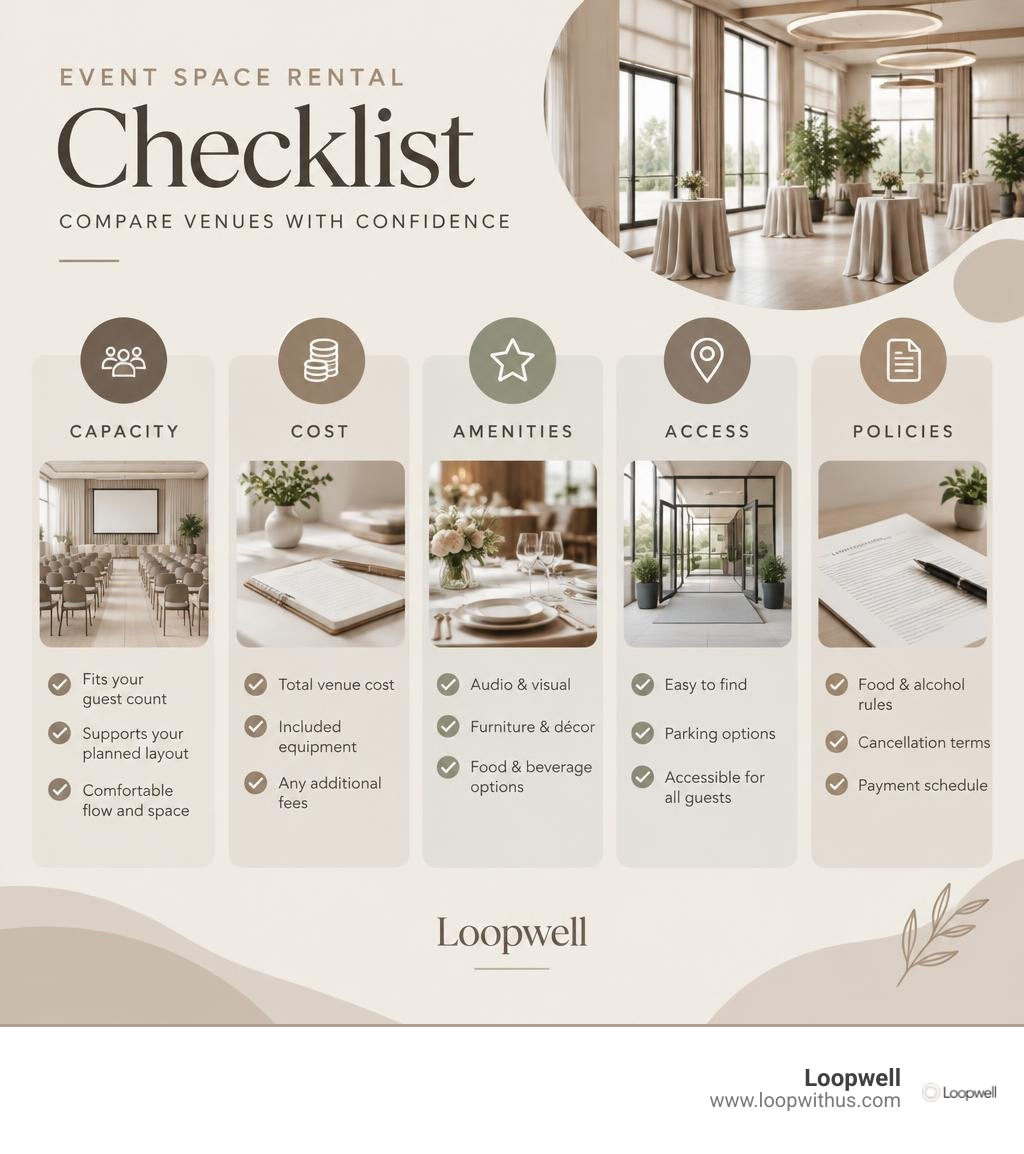
For an event space rental, start with your guest count and what guests will do. Compare venues by capacity for your planned layout, total cost, included equipment, accessibility, and rules for food, alcohol, and cancellations. Tour your shortlist, then get the full price and policies in writing before paying a deposit.
A good fit is about more than head count. The long-running Harvard Study of Adult Development links strong relationships with better health. A venue cannot create those relationships, but its layout, noise level, and places to talk can support the kind of gathering you want.
I'm Debbie Looney, and I'll help you sort through the choices before you book.
Gathering in person has taken on renewed importance. In our increasingly digital landscape, research from McKinsey highlights that intentional in-person collaboration drives measurable gains in employee retention, cross-functional trust, and team cohesion. Meanwhile, behavioral studies from Stanford University emphasize that physical surroundings deeply influence cognitive focus and interpersonal warmth. Whether you are coordinating a high-stakes leadership off-site, a cultural celebration, or a major private reception, selecting the right environment forms the foundation of your gathering's success.
Types of Venues and Spatial Layouts for Modern Gatherings
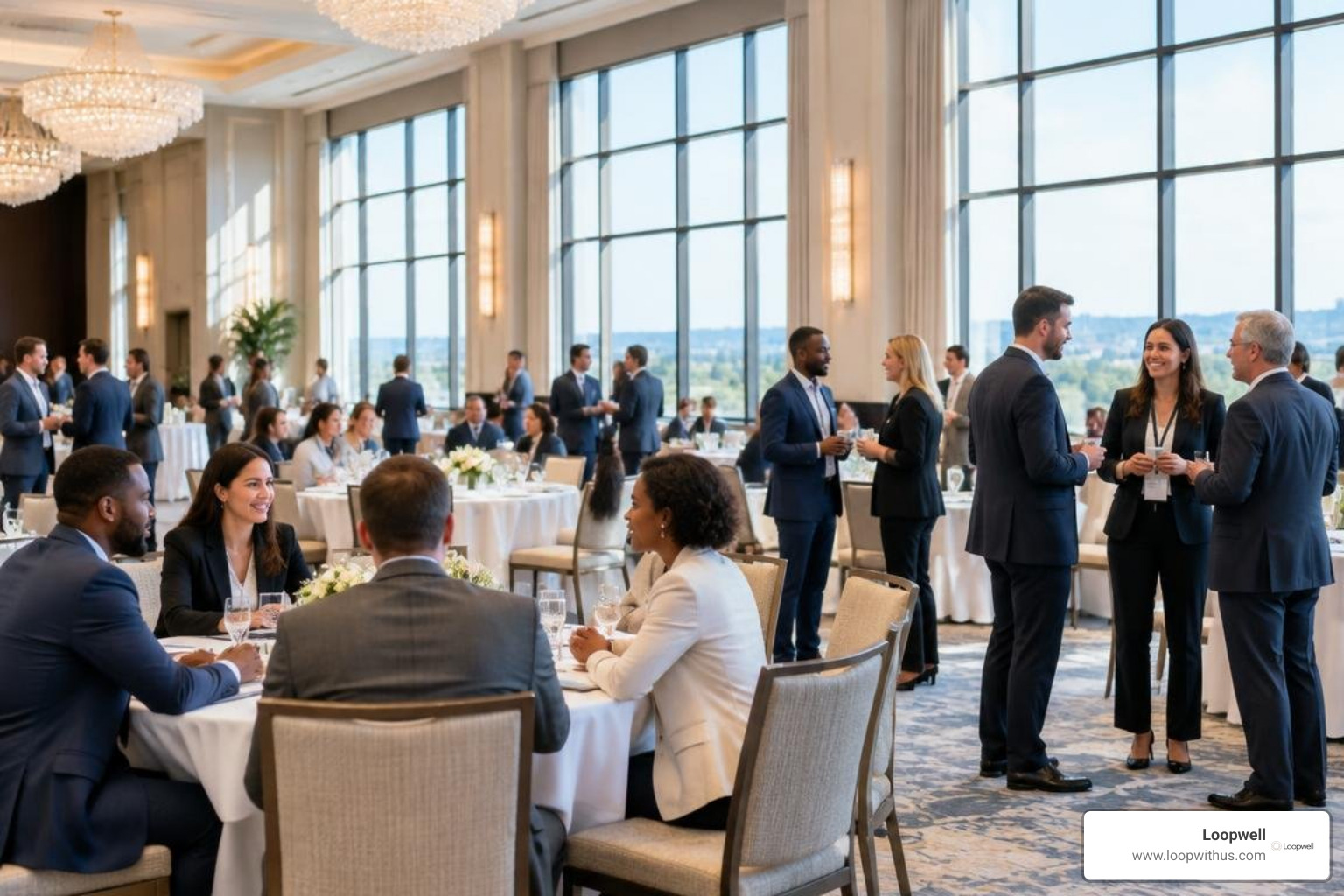
Finding the right physical setting begins with understanding how different spatial architectures serve specific event goals. Modern event properties range from expansive blank canvases to historic landmarks, civic multipurpose facilities, and boutique sanctuary settings.
| Venue Category | Typical Guest Capacity | Ideal Use Cases | Primary Advantages | Logistical Considerations |
|---|---|---|---|---|
| Boutique Well-Being Centers | 10 – 250 guests | Executive retreats, mindful workshops, brand immersions | Turnkey natural lighting, restorative acoustics, biophilic design | Fixed aesthetic themes requiring minimal outside styling |
| Blank-Canvas Industrial Lofts | 50 – 500 guests | Product launches, creative pop-ups, modern receptions | Complete design customization, open floor plans | Requires external rentals for seating, AV, and lighting |
| Historic Theaters & Arenas | 200 – 2,000+ guests | Major galas, awards ceremonies, keynote conferences | Built-in grand staging, dramatic architecture, high production | Fixed proscenium seating, complex union labor rules |
| Civic & Public Pavilions | 40 – 300 guests | Community gatherings, casual social celebrations | Budget-conscious rates, open-air and indoor flexibility | Strict municipal closing curfews and alcohol permits |
When shortlisting venues across New York City and Northern New Jersey, assessing physical access is critical. Aligning your physical space with established accessibility guidelines ensures an inclusive environment for every attendee.
Choosing the Right Venue Type for Your Event Space Rental
Different event concepts demand different architectural frameworks:
- Banquet Facilities & Grand Ballrooms: Best suited for seated galas and traditional ceremonies. They feature extensive commercial kitchens and banquet staff, though they can sometimes feel rigid or cavernous for interactive, collaborative formats.
- Proscenium Theaters & Auditoriums: Designed for single-direction presentations, shareholder addresses, and screenings. They offer tiered seating and clear acoustics, but limit organic face-to-face interaction during group sessions.
- Open-Air Pavilions & Waterfront Terraces: Excellent for summer cocktail parties and outdoor mixers. They provide scenic views, but require weather contingencies, sound permits, and temperature controls.
- Experiential Workshop Spaces: Curated for collaboration, wellness gatherings, and team off-sites. When choosing a luxury event venue, look for spaces that balance high-end hospitality with modular layouts. These environments encourage fluid transitions between main-stage keynotes and focused breakout discussions.
Sizing and Capacity Formulas for Seated and Standing Layouts
Calculating venue capacity is not simply a matter of reading a building's legal occupancy certificate. The usable square footage per guest varies drastically based on table choices, staging, and display screens.
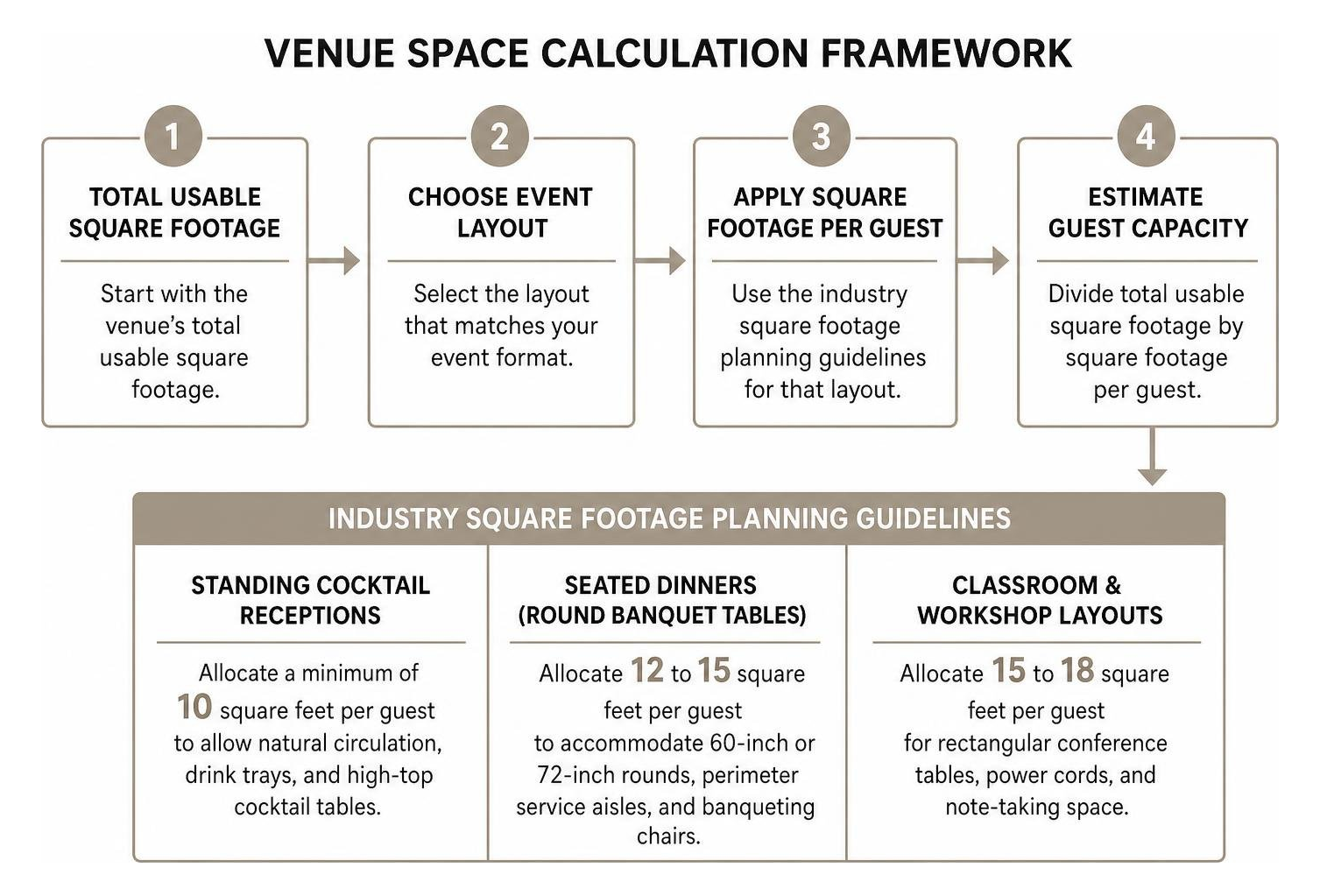
Industry square footage formulas recommend the following planning guidelines:
- Standing Cocktail Receptions: Allocate a minimum of 10 square feet per guest to allow natural circulation, drink trays, and high-top cocktail tables.
- Seated Dinners (Round Banquet Tables): Allocate 12 to 15 square feet per guest to accommodate 60-inch or 72-inch rounds, perimeter service aisles, and banquet chairs.
- Classroom & Workshop Layouts: Allocate 15 to 18 square feet per guest for rectangular conference tables, power cords, and note-taking space.
- Theater-Style Seating: Allocate 8 to 10 square feet per guest for nested chair rows facing a presentation stage.
When evaluating entertainment spaces and stadium complexes, review specifications from premier venues to understand how staging reduces capacity. Large-scale arenas often quote maximum capacities prior to "production kills"—the seats lost when erecting rear projection screens, backstage staging, and camera risers. Factor in these production kills early so your floor plan remains functional and comfortable.
Essential Factors Influencing Event Space Rental Costs and Inclusions
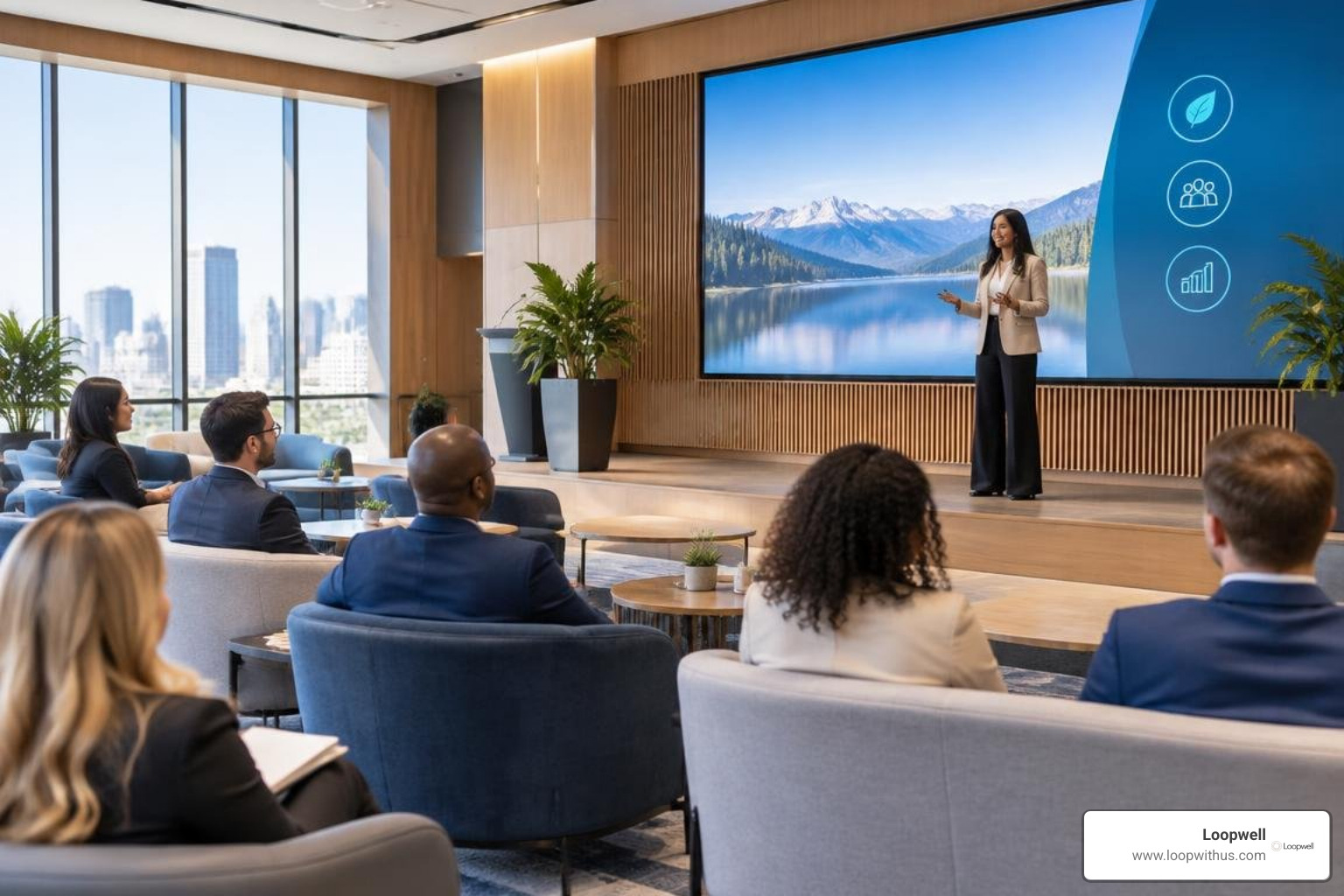
Rental pricing structures can vary significantly depending on venue style, location, and seasonal demand. Event venues average $254 per hour to rent, though smaller spaces typically run closer to $195 per hour and large multi-room venues average $283 per hour. Most venues require a minimum booking duration of four hours to cover operational setup and turnover. When planning executive sessions, exploring specialized business meeting room rentals can provide transparent hourly rates for intimate groups.
Comparing Dry Hire vs. All-Inclusive Rental Models
One of the most important budget decisions is choosing between a "dry hire" property and an all-inclusive, turnkey facility.
- Dry Hire Venues: You rent the bare room. While the upfront fee may seem modest, you are responsible for sourcing and paying for every table, chair, audio system, lighting rig, caterer, and cleaning crew. This model suits planners who want bespoke production, but it introduces significant logistical overhead and vendor delivery risks.
- All-Inclusive Hospitality Venues: The venue fee includes ergonomic furniture, enterprise-grade Wi-Fi, integrated multi-mic audio systems, digital screen displays, on-site event staff, and beverage stations. Turnkey properties eliminate line-item coordination headaches, ensuring professional execution from arrival to departure.
For high-profile social events, such as world-class sports screenings or FIFA watch parties, high-end hospitality makes all the difference. Combining a seamless, full wall of digital screens with premium on-site catering and private parking creates a relaxed, upscale environment where guests can connect effortlessly.
Hidden Fees, Deposit Schedules, and Cancellation Policies
Before signing a rental contract, review the agreement carefully for unexpected ancillary fees:
- Security Deposits: Venues often charge a refundable security deposit between $100 and $1,000, which is held against damage or overtime and refunded after post-event inspection.
- Tiered Cancellation Schedules: Standard venue contracts offer tiered refund structures. Cancellations made 60+ days before an event date often receive a full refund, notices between 30 and 59 days forfeit the deposit, and cancellations within 30 days usually forfeit the full rental fee.
- Turnover and Deep Cleaning Fees: Confirm whether post-event trash removal, surface sanitization, and restroom turnover are included in your base rate or billed as an extra surcharge.
- Security and Police Staffing: Venues that host large crowds or serve alcohol may require paid municipal security or certified guards, often running $50 to $85+ per hour per officer.
Crucial Policies, Permits, and Logistics to Evaluate
Logistics shape the real-time attendee experience. Choosing a sustainable space for corporate gatherings not only minimizes your event's environmental footprint, but also signals shared organizational values through natural lighting, energy-efficient fixtures, and zero-waste catering partnerships.
Accessibility, Transit Proximity, and Dedicated Parking
An inspiring venue is of little use if your guests struggle to reach it. When reviewing regional location options using a comprehensive New York event venue guide, balance urban transit proximity with parking accessibility:
- Public Transit Connections: Ensure the venue is located near major train lines, subways, or bus corridors so attendees can travel smoothly across the Tri-State area.
- On-Site and Private Parking: In dense urban neighborhoods, on-site parking lots or reserved valet spaces reduce attendee stress and prevent arrival delays.
- Vendor Load-In Ramps: Verify that the building provides flat street access, service elevators, or a loading dock so caterers, florists, and AV techs can load equipment without disrupting the main entrance.
- Complete ADA Compliance: Confirm step-free venue entrances, wide hallways, compliant restrooms, and clear sightlines throughout the primary presentation rooms.
Catering, Alcohol Regulations, and Decor Restrictions
Food, beverage, and design rules vary widely by property:
- Outside Food and Beverage Policies: While some venues mandate a single in-house kitchen provider, flexible spaces allow approved outside caterers for a flat prep fee, making it easier to accommodate specific cultural or dietary preferences.
- Alcohol Licensing and Bartending: Serving alcoholic beverages often requires a special municipal permit, a Certificate of Insurance (COI) naming the property as an additional insured, and certified professional bartenders. Self-service bars are rarely permitted in commercial spaces.
- Decor and Structural Restrictions: To protect interior surfaces, most venues prohibit open flame candles, nails, screws, heavy adhesives, and non-biodegradable glitter or confetti.
Navigating Contracts and Unconventional Space Options
Understanding the operational structure behind an event space rental business helps you negotiate contracts with confidence and spot non-traditional opportunities. Beyond standard commercial ballrooms, unconventional spaces like light-filled creative lofts, converted historic properties, and dedicated wellness sanctuaries offer unique settings that spark fresh thinking.
Key Questions to Ask Before Finalizing an Event Space Rental Agreement
Review this essential checklist with your venue host before submitting a financial deposit:
- What exact access hours are included for setup, guest arrival, and vendor breakdown?
- Are an on-site technician and dedicated venue manager present throughout the event?
- What are the specific Wi-Fi upload/download speeds, and can the network handle hundreds of concurrent mobile devices?
- What is the venue's policy if the event runs 30 to 60 minutes over the scheduled end time?
- Are there dedicated green rooms or quiet sensory breakout spaces available for speakers and guests?
Fostering Connection Through Experiential and Well-Being Venue Design
Designing an impactful event means looking beyond basic square footage to consider the sensory and psychological impact of the room. Research from Deloitte shows that genuine human connection in the workplace drives notable improvements in organizational resilience, leadership retention, and strategic alignment in an AI-driven economy.
Industry voices emphasize the value of restorative environments:
- Holistic Health & Nervous System Regulation: Research from institutions like Stanford University and Harvard Medical School, alongside insights from clinicians such as Dr. Judith Joseph, Dr. Mindy Pelz, and the Huberman Lab, highlights how natural sunlight, proper hydration, and biophilic architectural elements reduce cortisol levels and sustain cognitive energy during intensive full-day sessions.
- Mindful Leadership: Experts like Amina AlTai and Michelle Maros advocate for creating spaces that support physical ease, psychological safety, and meaningful dialogue, allowing teams to navigate complex challenges together.
When planning professional events, choose environments designed with warm acoustics, organic materials, and comfortable breakout areas. These thoughtful touches help attendees focus, connect, and recharge throughout the day.
Frequently Asked Questions About Event Space Rentals
How far in advance should I book an event space?
For large conferences, galas, or peak seasonal dates (such as December holiday parties or spring wedding months), book your venue 6 to 12 months in advance. For mid-sized corporate off-sites, workshops, and private gatherings, a booking window of 30 to 90 days is usually sufficient, provided the property has open calendar availability.
What is the average hourly cost to rent an event space?
Event space rentals across the United States typically average $193 to $254 per hour. Smaller creative studios and intimate meeting rooms start around $40 to $195 per hour, whereas expansive multi-room complexes, rooftop terraces, and luxury venues range from $283 to well over $1,000 per hour depending on included amenities and location.
Can I bring outside food and alcohol to a rented event space?
Policies depend on the specific venue. Dry-hire spaces generally allow outside food and BYOB beverage service with approved insurance and certified bartenders. Turnkey and hospitality-managed properties often provide high-end in-house culinary menus or work through a curated list of preferred local caterers to maintain quality and safety standards.
Conclusion
Finding the ideal venue is an investment in the human experience of your gathering. When an environment combines natural light, thoughtful design, cutting-edge presentation technology, and seamless hospitality, logistics fade into the background. Your attendees are left free to share ideas, build trust, and celebrate milestones in a space that feels both welcoming and inspiring.
At Loopwell, we design beautiful, light-filled gathering spaces across Montclair, Northern New Jersey, and the greater New York City area. We blend luxury corporate off-sites, private social gatherings, and premier hospitality with holistic well-being principles, offering full-wall screen technology, high-end catering, and private parking.
Ready to plan your next gathering? Explore our venue spaces and book your next event today.